
Data Privacy in Pharmacovigilance: 3 Common Confusions Explained
Understanding the subtle differences between six key terms that determine compliance, trust, and safety in pharma.

Patient data is central to our work in Pharmacovigilance, so it’s essential to keep it secure and private. I’ve noticed that people sometimes use different data security terms as if they mean the same thing, but they don’t. For example, I’ve seen “PHI” used when “PII” was meant, or “confidentiality” instead of “privacy.” The same confusion happens with “anonymization” and “pseudonymization.” These mix-ups may seem minor, but they can lead to compliance issues, misunderstandings within the team, or even a loss of patient trust.
Clarity of language is as important as clarity of data. In this article, I have put down three short explanations for the differences between:
PHI vs PII
Anonymization vs Pseudonymization
Privacy vs Confidentiality
PHI vs PII
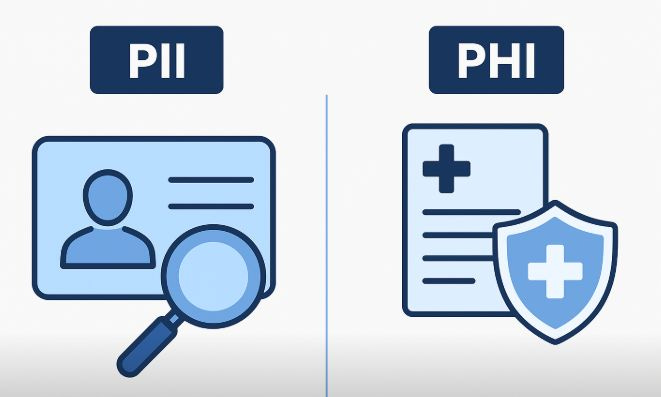
PII (Personally Identifiable Information) and PHI (Protected Health Information) are often confused because both deal with sensitive personal data; however, they’re not the same.
PII refers to any information that can be used to identify a specific person. E.g., Full name, Home address, Phone number, Email ID, National ID or Social Security Number, IP address, Exact date of birth, etc. The scope is not industry-specific. Some regulations regarding PII include the GDPR (EU), CCPA (California), and India’s DPDP Act.
PHI is a specific kind of PII related to health data. It includes anything about a person's medical condition (e.g., epilepsy, cancer), treatments or procedures, medications taken, Health outcomes (e.g., hospitalization, disability, death), Lab results or diagnostic details, Reports of adverse events, etc. If this information is linked to a person’s identity, it becomes PHI. In the United States, the central regulation around PHI is the Health Insurance Portability and Accountability Act(HIPAA)
Anonymization vs Pseudonymization
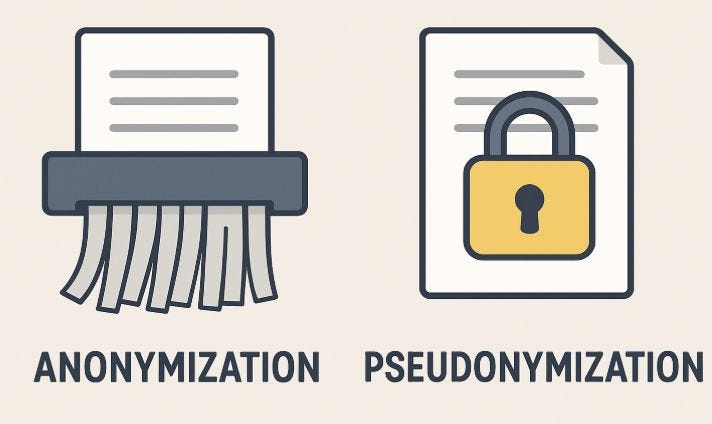
These two terms are often used interchangeably, but they mean very different things when it comes to protecting patient data.
Anonymization is the process of removing or altering personal identifiers so that a person cannot be identified by any means. This process is irreversible. No one can ever link the data back to a person.
Pseudonymization is the process of replacing personal identifiers with artificial identifiers (like codes or random IDs) while keeping a separate key to re-identify the person if needed. It’s reversible if you have the mapping key. e.g “John Smith” becomes “Patient_0098” in the dataset, but a separate file links “Patient_0098” back to “John Smith.”
In areas such as drug safety, clinical trials, and real-world studies, it’s essential to strike a balance between protecting privacy and making data useful. Anonymized data is best suited for open research and the sharing of results. Pseudonymized data is helpful when you need to follow up with patients, track them over time, or meet regulatory requirements that need re-identification.
Confidentiality vs Privacy
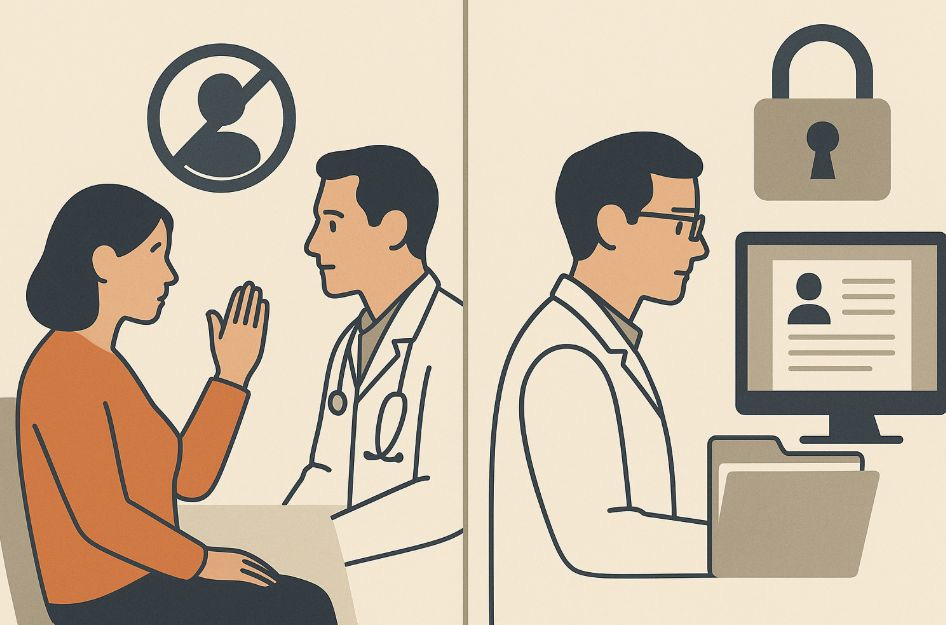
People often confuse these terms, but in healthcare, pharmaceuticals, and safety, they actually have distinct meanings.
Privacy = A person’s right to decide what personal information about them is collected, used, or shared. For example, a patient chooses not to share their medical history with anyone outside their doctor.
Confidentiality = The duty of professionals/organizations to protect information once it has been shared with them.
Example: A safety scientist has access to patient narratives in ICSRs. They are obliged to protect it and not disclose it improperly.
If you violate privacy, you collect or use data without consent. If you violate confidentiality, you misuse or leak information that someone has entrusted to you. Patients may agree to give up some privacy (share their data), but only if they trust the system to maintain confidentiality.
When a patient reports an adverse event, they relinquish some privacy by allowing others to collect their personal and medical details. After that, the pharmaceutical company must keep those details safe, share them only with regulators when necessary, and never allow them to be misused.
When we speak about data, words matter. A clear understanding prevents costly mistakes and strengthens the confidence patients and regulators place in our systems.
P.S.: I cover more such essential concepts for safety professionals in my book, Pharma Tech Essentials, which is written to simplify technology and data topics for the pharmacovigilance community. Find it on Amazon.